Liminary is a collaborative AI workspace that lets teams design, run, and orchestrate multi-step AI workflows using shared tools, datasets, and configuration management.
Liminary is an AI-powered platform for automatically generating and maintaining technical documentation from your codebase. It connects directly to repositories and development workflows, analyzes source code, and produces clear, structured documentation that stays aligned with ongoing changes. The tool supports multiple languages and frameworks, enabling teams to generate API references, component overviews, architecture summaries, and implementation details without manual effort. Liminary can track code evolution over time, highlight what has changed, and update documentation accordingly, reducing the risk of outdated or incomplete information.
Key capabilities include code parsing, semantic understanding of functions and modules, and configurable documentation templates that match existing standards or style guides. Teams can customize the level of detail, target audience, and format, making the output suitable for internal engineers, external partners, or end users. Liminary integrates with CI/CD pipelines and common developer tools so documentation can be generated or refreshed as part of regular development processes.
Please sign in to comment
💬 No comments yet
Be the first to share your thoughts!
Explore 194+ top alternatives to Liminary
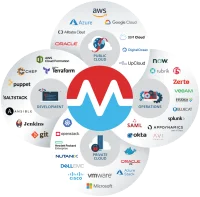
Morpheusdata is a hybrid cloud management platform that orchestrates provisioning, governance, and automation across on-premises infrastructure, public clouds, and containerized environments.
Sanctum AI is a platform that creates customizable AI “Digital Souls” for interactive characters, enabling persistent memory, unique personalities, and multimodal communication across virtual experiences.