Rapport creates interactive AI video avatars for learning, training, and marketing, enabling personalized experiences, tracking engagement, and measuring the impact of user interactions.
Rapport is a platform for creating interactive AI avatars designed for learning, training, and marketing experiences. It enables organizations to transform static content into conversational, human-like interactions that can be embedded across web and digital channels. The primary purpose of Rapport is to increase engagement and knowledge retention while providing measurable insights into learner or customer behavior.
The tool allows users to design and customize lifelike avatars, define their personalities, and script or connect them to AI models for dynamic dialogue. Rapport supports branching conversations, scenario-based simulations, and knowledge-grounded responses by integrating with documents, FAQs, or learning materials. Built-in analytics help measure completion rates, engagement levels, and performance outcomes, allowing teams to iterate and improve content over time. The platform typically offers no-code or low-code workflows for building experiences, as well as integrations or embeddable components for existing LMS, websites, or internal portals.
Please sign in to comment
💬 No comments yet
Be the first to share your thoughts!
Explore 793+ top alternatives to Rapport

Track and improve your brand’s visibility in AI search by monitoring mentions, analyzing competitors, optimizing content, and building citations across major AI assistants and search platforms.

Data Monsters is a company that researches, designs, and develops real-time intelligent software systems for corporations and funded startups.
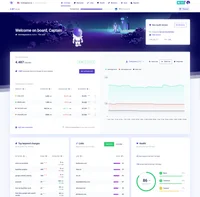
Morningscore is a web-based SEO and GEO analytics tool that helps users research keywords, track rankings, monitor competitors, and optimize content for search engines.