TTSReader is a browser-based text-to-speech application that converts written text into spoken audio
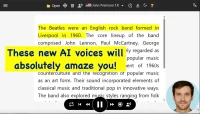
TTSReader is a browser-based text-to-speech application that converts written text into spoken audio using natural-sounding synthetic voices. It works directly in the browser with no installation or registration required, making it accessible on desktop and mobile devices. Users can paste or type text, upload documents, or open web pages and listen to the content read aloud. The tool supports multiple languages and accents, with adjustable reading speed and voice selection, allowing users to tailor the listening experience to their needs.
TTSReader is particularly useful for people with reading difficulties, visual impairments, or those who prefer listening over reading. It also supports language learners who want to hear pronunciation and intonation in different languages. Users can loop or auto-scroll text, highlight the sentence currently being read, and easily navigate through long documents. A key feature is the ability to export speech as audio files for offline listening, podcasts, or video narration. TTSReader also offers a browser extension for reading any webpage and a mobile-friendly interface. Overall, it provides a practical, free solution for consuming text content hands-free and improving accessibility.
Please sign in to comment
💬 No comments yet
Be the first to share your thoughts!
Explore 277+ top alternatives to TTSReader

ElevenLabs is an AI platform for generating, editing, and managing natural-sounding multilingual speech and custom voice clones via web tools and developer APIs.

Clonevoiceai is a voice cloning tool that generates realistic synthetic speech from text using user-provided voice samples for content creation, dubbing, and personalization.

Generate realistic, human-like AI voice-overs from text to narrate videos, podcasts, tutorials, and other multimedia content quickly and consistently.
CallBotics is an AI voice platform that automates inbound and outbound phone calls using configurable agents tailored to specific business workflows and call-handling requirements.
Meet Maritess Ai is a conversational AI assistant that helps entrepreneurs manage tasks, draft content, organize information, and support decision-making through natural language interaction.

Quillgenius is a web-based guide and toolkit that teaches users how to generate content using AI models such as OpenAI, Claude, and Gemini.