Raspberry Pi AI Camera is a camera module and neural network accelerator that enables on-device computer vision and AI inference with compatible Raspberry Pi boards.
Raspberry Pi AI Camera is an integrated camera and AI acceleration solution designed for computer vision projects on Raspberry Pi. It combines a high-quality 12‑megapixel autofocus camera module with a built-in Hailo‑8L neural network accelerator, enabling real-time on-device inference without relying on cloud services. The camera connects via the standard Raspberry Pi camera interface and is optimized for use with Raspberry Pi 5 and other compatible boards.
The tool supports common vision workloads such as object detection, classification, segmentation, pose estimation, and tracking. Developers can run pre-trained models or deploy custom models using popular frameworks and toolchains that export to formats supported by the Hailo runtime. Hardware acceleration significantly improves frame rates and reduces latency compared with CPU-only processing, making it suitable for responsive applications.
Please sign in to comment
💬 No comments yet
Be the first to share your thoughts!
Explore 348+ top alternatives to Raspberry Pi AI Camera
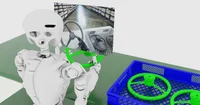
NVIDIA Cosmos is a multimodal AI platform that unifies and orchestrates specialized models to understand, simulate, and reason about complex real-world environments and dynamics.